
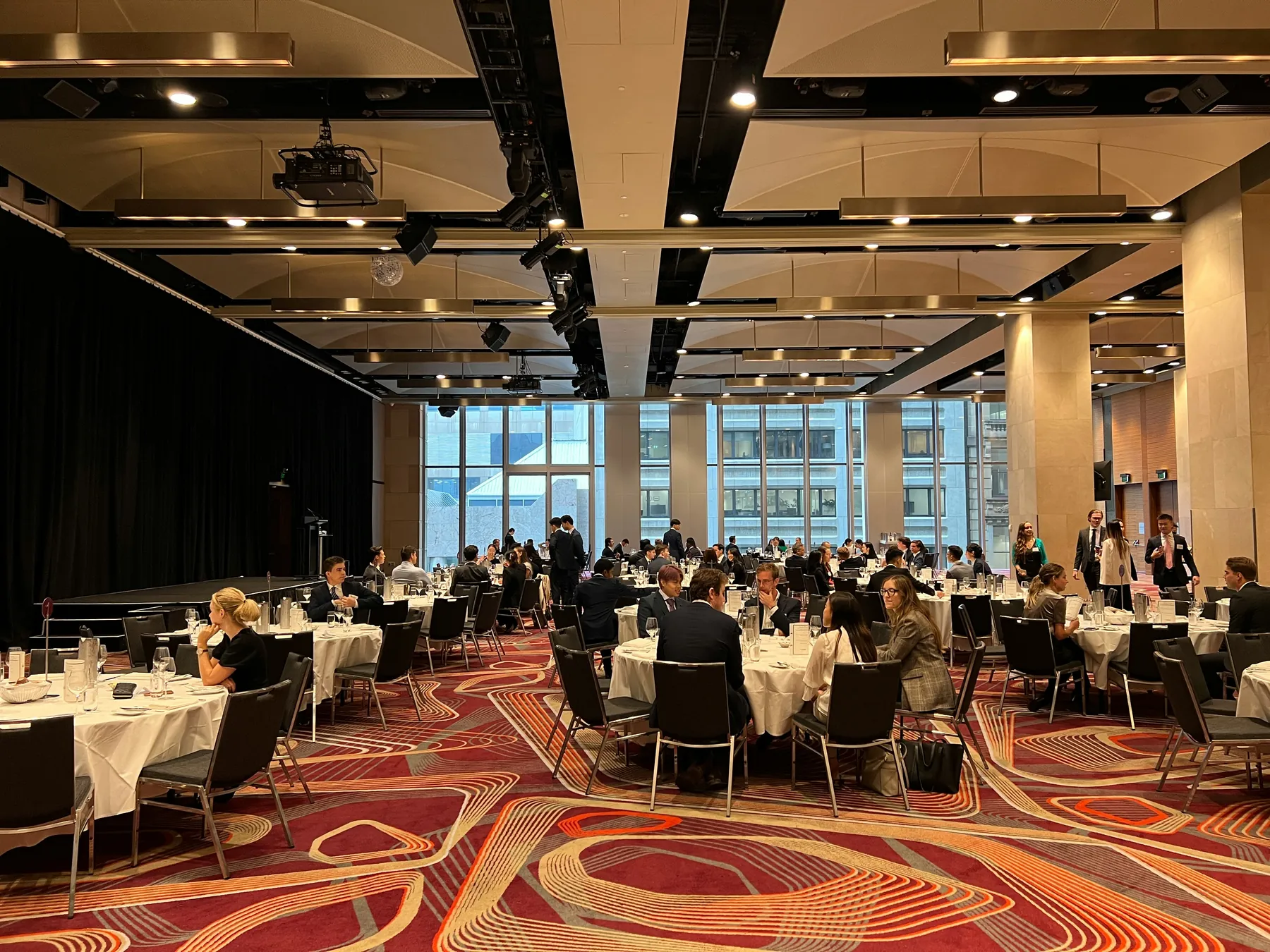
Most event briefs we receive start with a format: an annual day for 800 people, a two-day conference, a product launch in March. That is useful information, but it is a specification, not a brief. It tells us what to build without telling us what it is for.
A format is not an objective
A brief that opens with "annual day, 800 pax, February" gives an event partner nowhere to add value. Every response you get back will look the same, because the only variable left is price. A brief that opens with "our teams merged last year and still behave like two companies" changes everything downstream: the room layout, the seating plan, the programme, even who speaks and for how long.
Six questions worth answering first
- What do you want people to do differently the week after the event?
- Who is in the room, and what do they already believe about this topic?
- What went wrong last time, and what did people actually complain about?
- What is genuinely fixed: the date, the budget, the venue, the guest list?
- Who signs off, and what will they be judged on?
- What would make this a failure even if everything ran on time?
That last question is the most useful one on the list. An event can run perfectly to schedule and still miss, and the people commissioning it usually know exactly how. Writing it down early is the cheapest risk management available.
Budget belongs in the brief
Leaving the budget out does not get you better pricing. It gets you proposals designed for a number someone guessed. Sharing a range, even a wide one, lets a partner spend it where it will be noticed and save it where it will not. Production, food and travel are the three lines where the difference between adequate and memorable is most visible.
Say what you have already decided
If the venue is booked, say so. If leadership has already agreed on a theme, say so. Briefs that present settled decisions as open questions waste a round of proposals and often produce a worse result, because the partner optimises for the wrong variables.
The best briefs we work from are usually a page long. They describe a problem, name the audience, state the constraints honestly and leave the format open. That page tends to produce a better event than a ten-page specification.